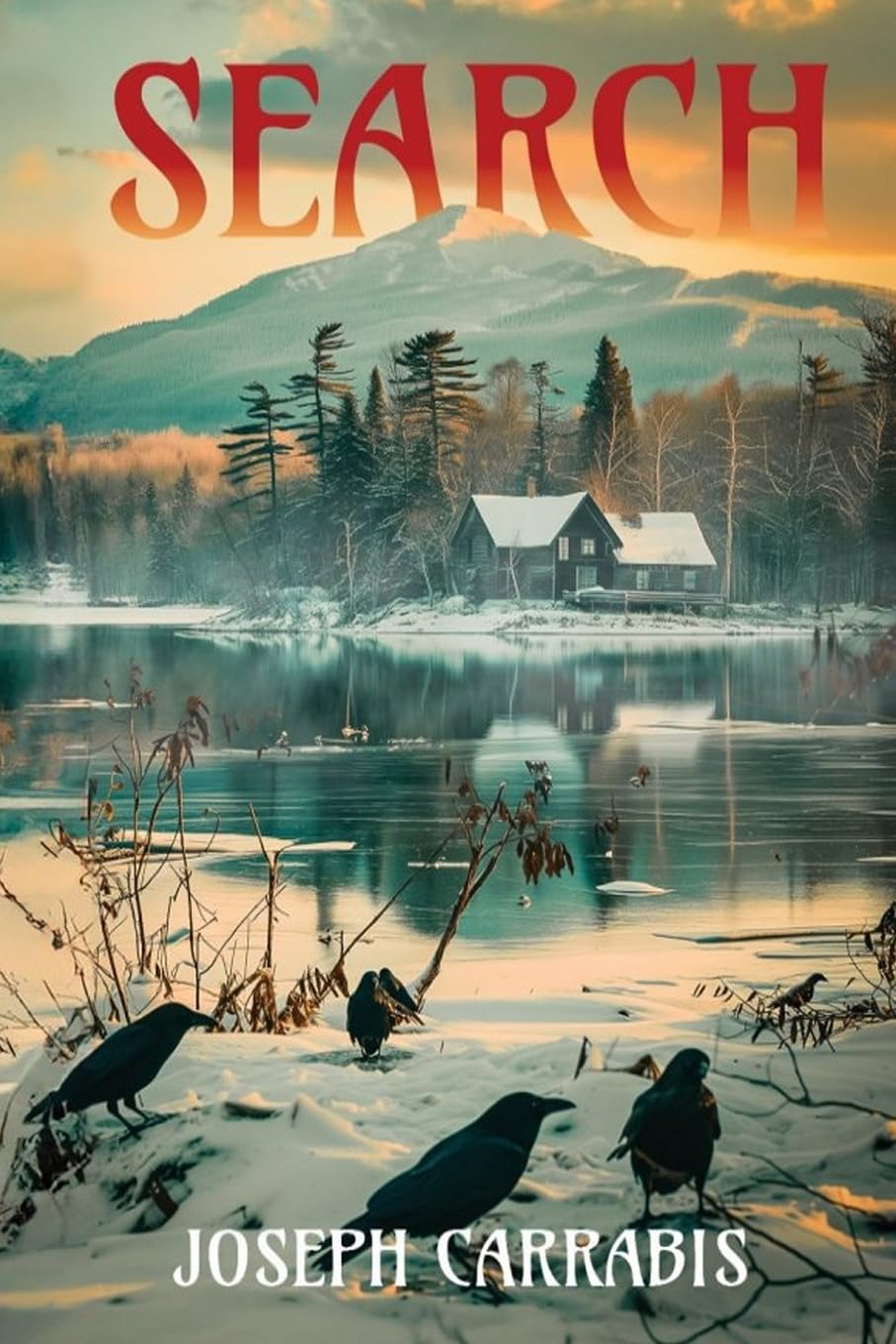
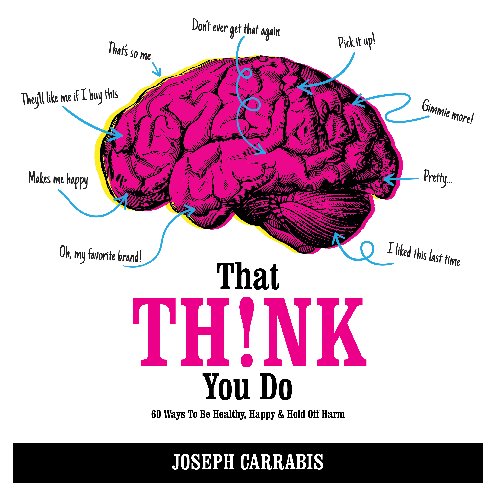
|
|---|
WHLReview145 Foster Street The Wilderness House Literary Review is a publication devoted to excellence in literature and the arts. TheWHLReview is published online quarterly.
To contact an editor simply click on a name below. To submit work to us please see "Submissions" below: Editor & Publisher Arts Editor/Curator Poetry Editor Fiction Editor Nonfiction Editor Book Reviews Editor Submissions Deadlines are as follows Please read this section before submitting work. Please include some form of identification in the work itself. All submissions must be in electronic form. Our preference is an MS Word file uploaded through the system below. Please do not send us pdf files. We can't use them. By submitting work to us you grant us a non-exclusive license to publish your work in any form we see fit. You may withdraw a submission up until the issue deadline (see above). We don't pay so you retain all copyrights. If we publish your work online we may include it in a printed edition. Poetry may be submitted in any length. Please don't submit 100 poems and ask us to pick 3. Fiction may be submitted in three formats:
We also accept longer forms of fiction occasionally. Please, one fiction submission only per author, per issue. If you submit multiple stories for a single issue, we reserve the right not to review additional stories you submit after the first one. Non-Fiction is just that so lets see some interesting footnotes. Non-fiction should be short, (a lot) less than 5000 words Book Reviews should be positive unless the author is a well-known blowhard. Our mission is to encourage literature not discourage it.. Art: Minimun of 6 pieces. Please incluce a bio and statement about your work. Any form of art may be submitted with the constraint that it must be something that can be published in 2 dimensions. It’s hard to publish sculpture but illustrations together with some intelligent prose count. Published works are welcome with proper attribution. Please submit all works electronically. Click here to submit to Wilderness House Literary Review
|
Welcome to the 83th issue (Volume 21, no 3) of the Wilderness House Literary Review. WHLR is a result of the collaboration between a group of poets and writers who call themselves the Bagel Bards. Lets get this out of the way. We use cookies, everyone uses cookies. Our cookies just tell us how many people take a look at Wilderness House Literary Review. Over the life of an issue we get about 4000 unique visitors. The cookies tell us who’s unique. If that's a problem We're sorry. Enough of that. The stories, articles, poems and examples of art have
been presented as PDF files. This is a format that
allows for a much cleaner presentation than would otherwise be available on
the web. If you don’t have an Adobe Reader (used to read a PDF file) on your
computer you can download one from the Adobe website. These files are large and we hope you will be patient when downloading
then, however we think the beauty of the words deserves a beautiful presentation. Our ISSN number is 2156-0153. Let us know what you think in our Letters to the Editor. Table of Contents OpineGood News and Bad NewsAutumn is the season of despair. We mourn the passing of summer as we slip, inevitably, toward the darkness of winter. We face an election that may, or may not, usher in a period of our own Thirty Tyrants—the oligarchs who ruled Athens after its disastrous defeat in the Peloponnesian War. We also face a new artificial intelligence that could conceivably surpass us and render our species irrelevant. Are we Homo erectus, who survived for more than a million years only to disappear as other hominins—and finally we Homo sapiens—came to dominate the planet? Are we becoming the agents of our own demise, both politically and physically? Did the Neanderthals know what was happening to them? As terrible as the period surrounding the Thirty Tyrants was, Athens nevertheless flourished intellectually in the decades around it. Athens gave us much of the philosophy, drama, history, and political thought that became part of the cultural foundation of Western civilization. In the name of culture, then, should we curse or cheer the ascendancy—or demise—of tyranny within our own borders? And should we embrace the development of artificial intelligence, a strange new “being” that, at least for now, resembles an awkward little brother: extraordinarily capable in some ways, remarkably inept in others? Or do we simply let it rampage while it discovers the limits of its power? In the past, we’ve quoted the old expression often called a Chinese curse: “May you live in interesting times.” Perhaps we need to update it: “May you live in dangerous times.” Good news or bad news? With luck, we’ll know by the time our winter issue comes out. Search the houseArtEssayThere is, sometimes, a fine line between fiction and non-fiction. We have several essays that muddy that line, again. I've been assured by the authors that their stories rightly belong here and not in our fiction section. You can be the judge of that.
Fiction
For your reading pleasure we offer an outstanding collection of short stories by:
Poetry
Enjoy the collection of poetry we have assembled.
Reviews & InterviewsFor many more book reviews we'd like to point you to The Boston Area Small Press and Poetry Scene
|
WHLReview is brought to you by:
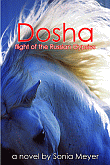
Dosha, flight of the Russian Gypsies
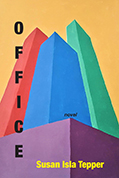
Office
What Drives Men
Our editors write too
|

 Joseph Carrabis is offering classes: Interested in taking your writing to the next level? Want to take a class with other writers and authors perfecting their craft?